Wood or Composite: Which Decking Material Is Right for You?
Deciding on the right decking material for your home involves considering multiple factors, including appearance, durability, cost, and maintenance. Both wood and composite decking have their advantages and drawbacks that might sway your decision. With guidance from experienced local deck contractors, understanding the key differences between these evolving options will help you make an informed choice that matches your lifestyle and expectations.
Timeless Beauty: The Classic Appeal of Wood Decking
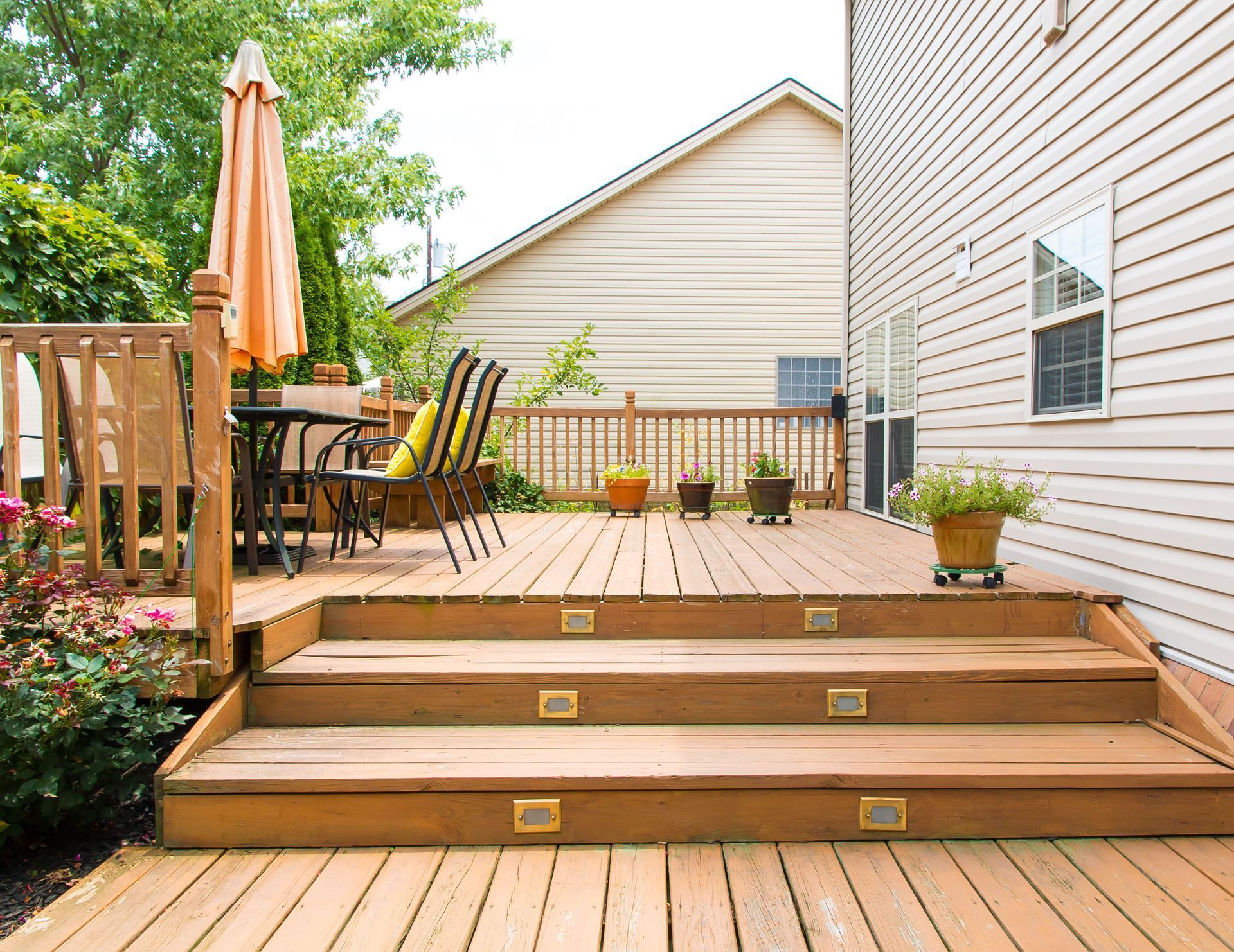
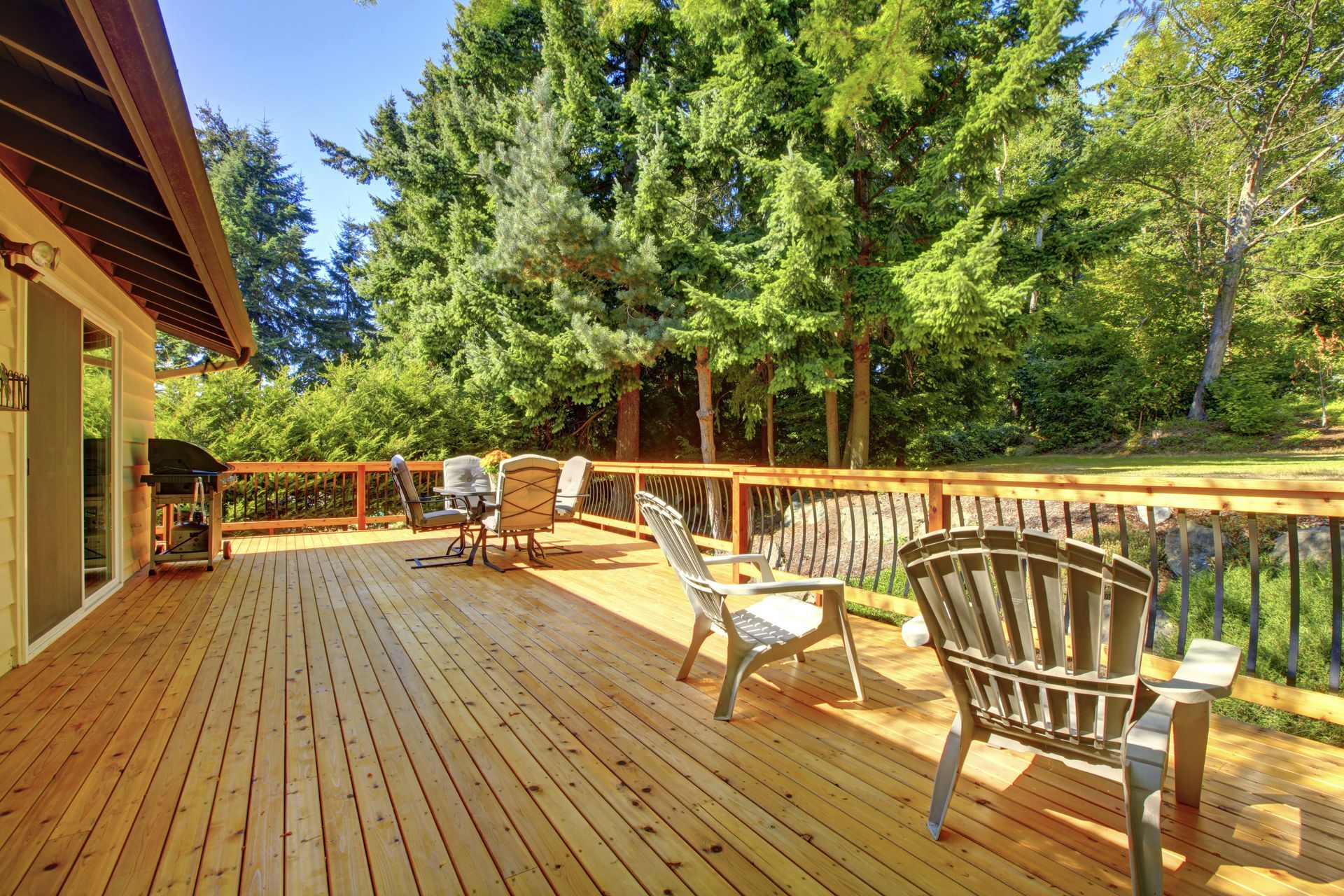
Wood decking offers a classic and natural look that many homeowners adore. It provides an authentic feel and warmth, being one of the most traditional materials used for building decks. Popular wood options like cedar and redwood are known for their natural resistance to decay and insects. However, wood requires regular maintenance, such as staining and sealing, to keep it looking fresh and to prevent deterioration over time. This upkeep can be a deciding factor for individuals who prefer a low-maintenance solution.
Effortless Upkeep: Why Composite Decking Wins on Maintenance
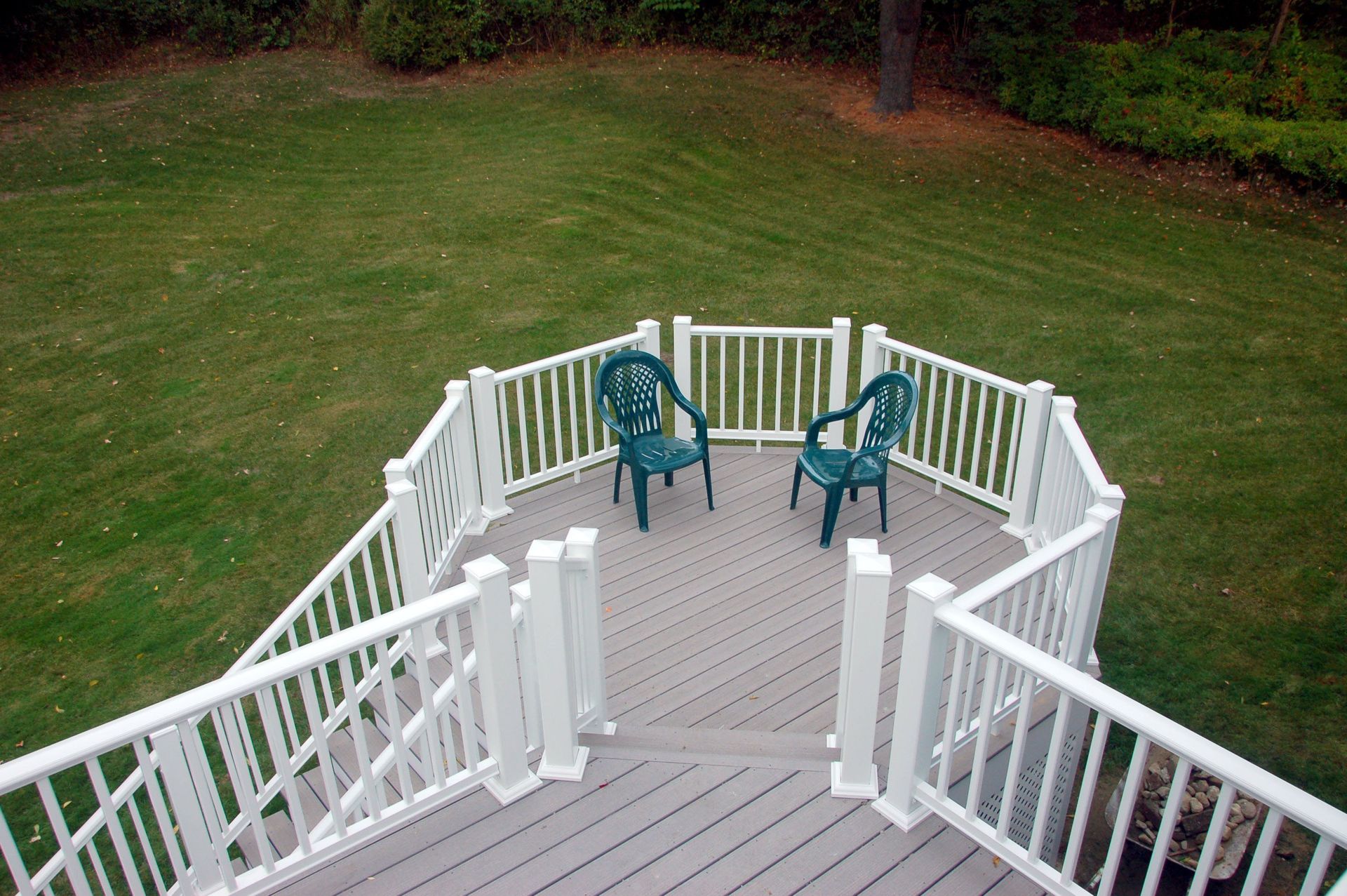
On the other hand, composite decking has gained popularity for its low maintenance needs and longevity. Made from a mix of wood fibers and plastic, composite decks are designed to withstand weather and wear without the periodic sanding and sealing needed for wood decks. According to the Freedonia Group, composite decking is projected to gain a greater share of the U.S. decking market by 2027, largely replacing pressure-treated wood due to its durability and natural wood-like appeal. This trend indicates a growing preference among homeowners for materials that save time and effort in long-term care.
Price Perspective: Balancing Upfront and Future Costs
Cost is another crucial point to consider when choosing between wood and composite decking. While composite decking may have a higher upfront cost, it generally offsets this with lower maintenance expenses over its lifespan. Conversely, wood is generally less expensive initially but could end up costing more in maintenance and repairs over time. For homeowners weighing their options based on budgetary constraints, it's important to consider both the short-term and long-term financial implications of each material.
The decision between wood and composite decking hinges on several factors, including personal preference, budget, and willingness to engage in maintenance. Wood offers a timeless appeal but requires more care, while composite decking provides modern convenience with minimal upkeep. Consulting with skilled local deck contractors can ensure your deck is built to last, enhancing your outdoor living experience and adding value to your home for years to come.
Ready to transform your outdoor space? Contact Remodel or Renew Home Improvement today and work with experienced local deck contractors to bring your dream deck to life!


Share On: