July 22, 2026
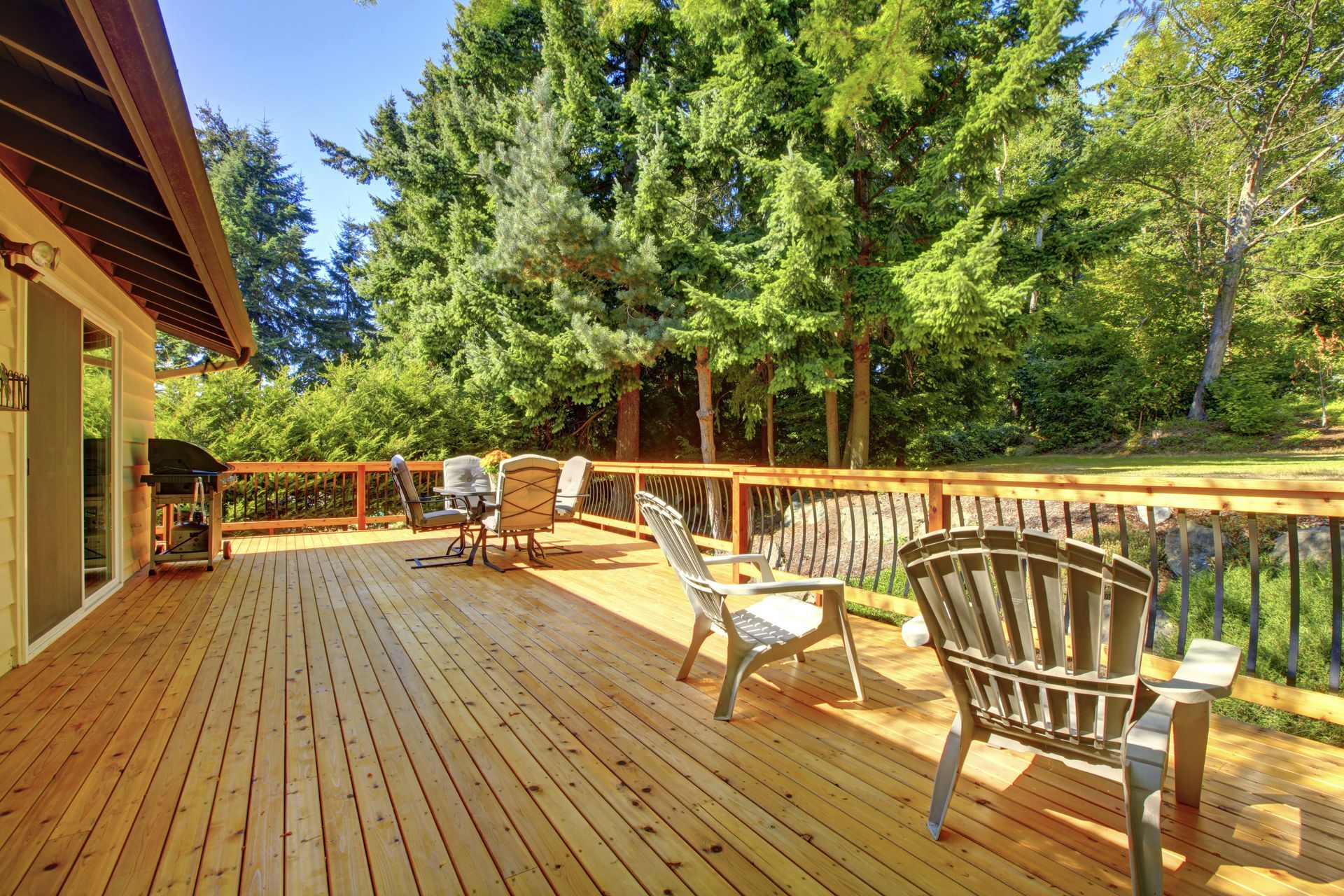
A custom deck is far more than a simple wooden platform attached to the back of a house; it is a transformative investment that fundamentally alters how you interact with your property. In contemporary home design, the line between indoor comfort and outdoor freedom has blurred. As modern homeowners increasingly prioritize health, wellness, and versatile living spaces, the demand for high-quality outdoor extensions has skyrocketed.
Decks rejuvenate your property by blending architectural creativity with everyday practicality. They offer a unique sanctuary tailored to your exact lifestyle choices while simultaneously addressing the cold, calculated demands of the real estate market. Whether you view your home as a long-term sanctuary or a wealth-building asset, investing in a custom deck bridges the gap between immediate personal enjoyment and future financial reward.
Enhancing Property Value
In a crowded real estate market, properties need distinct, high-impact features to stand out. When buyers tour a home, they are not just looking at square footage; they are projecting their future lifestyles onto the space. An elegant deck promises weekend barbecues, quiet morning coffees, and a safe zone for children or pets to play. This strong emotional resonance frequently translates into quicker sales and puts sellers in a position of strength. When evaluating potential home improvements, financial prudence is essential. Many internal renovations, such as high-end kitchen remodels or luxury bathroom conversions, carry massive upfront costs but rarely recoup their full value at resale.
In contrast, custom decks consistently offer one of the most favorable returns on investment in the remodeling industry. On average, homeowners can expect to claw back between seventy and eighty percent of the deck's construction cost in added home equity. This exceptional cost-to-value ratio makes outdoor additions a top priority for savvy homeowners looking to maximize their remodeling budgets.
The financial viability of a deck is further backed by broader industry data. Surveys indicate that an overwhelming majority of people report a desire to spend significantly more time relaxing, eating, and entertaining outdoors after updating their decks, patios, or porches. Because consumer demand for functional exterior spaces is so high, buyers are routinely willing to pay a premium for move-in-ready outdoor setups.
To truly optimize this financial asset, the design should always be cross-referenced with local real estate trends. For example, homes in warmer, sun-drenched climates might prioritize shaded pergolas and heat-resistant composite materials, whereas homes in cooler regions might focus on integrated fire features and windbreaks to extend the deck's seasonal usability.
Creating Additional Space
Building a traditional home extension or adding a new room requires tearing down walls, altering rooflines, navigating complex zoning laws, and enduring months of intrusive construction. A custom deck bypasses much of this friction, offering a highly cost-effective method to scale up your home's usable footprint. This newfound square footage acts as a pressure valve for the interior of the home, giving growing families the breathing room they need to spread out and enjoy distinct activities without feeling cramped.
Natural hardwoods like ipe or cedar offer unmatched, timeless organic beauty and a classic sensory experience. Meanwhile, high-performance composite boards deliver the rich texture of natural wood grain without the risk of splintering, warping, or rotting. For maximum durability, premium PVC decking engineered to resist severe weather conditions requires zero staining or sealing over its lifespan. Selecting the right materials allows you to blend the deck flawlessly with your home's existing architectural motif, whether it is a sharp, minimalist modern estate or a cozy, rustic traditional home.
The ultimate hallmark of luxury modern architecture lies in its ability to cultivate a fluid, continuous flow between the interior sanctuaries and exterior landscapes of the home. By strategically utilizing expansive, floor-to-ceiling sliding glass doors, seamless matching flooring transitions, and deeply cohesive color palettes, a custom-designed deck ceases to be a separate outdoor feature. Instead, it becomes a natural, breathing extension of your indoor living room or gourmet kitchen, effectively doubling your usable living space while blurring the line between shelter and nature.
This layout encourages a healthier, more active home flow. Furthermore, the space is highly adaptable. With the inclusion of modern outdoor amenities—such as eco-friendly infrared heaters, retractable awnings, or automated privacy screens—a deck transforms to match the seasons, remaining perfectly functional whether it is the height of summer or a brisk autumn evening.
Boosting Outdoor Lifestyle
According to Gifts & Decorative Accessories, 94% of people would spend more time relaxing, eating, socializing, and entertaining after updating their decks. Regular exposure to fresh air, natural sunlight, and the sights of nature has been scientifically proven to lower cortisol levels, stabilize blood pressure, and improve sleep patterns. Whether you use the deck as a dedicated space for morning yoga, a quiet reading nook, or a spot for zero-distraction family conversations, it serves as a structural reminder to slow down and unplug.
Beyond the balance sheets and square footage calculations, a custom deck delivers profound intrinsic value to your daily health. Modern life is increasingly sedentary and screen-dominated, leading to higher baseline stress levels. A dedicated outdoor space acts as a personal wellness retreat right outside your back door.
Integrating a fully equipped outdoor kitchen, complete with premium built-in grills, elegant stone countertops, and convenient under-counter refrigeration, seamlessly elevates basic meal preparation into a memorable, interactive social event that brings family and friends together.
Dining outside breaks up the monotony of daily routines, encouraging family members to step away from their devices and engage in meaningful, face-to-face connection. It turns your home into the preferred gathering place for friends and neighbors, fostering a deep sense of community and creating lasting memories under the open sky.
Increasing Home Sustainability
As environmental stewardship becomes a defining pillar of modern homeownership, constructing a sustainable deck is easier and more impactful than ever. Choosing responsibly sourced, certified lumber or ultra-durable composite materials manufactured from recycled plastics drastically reduces your project's environmental impact. Integrating smart engineering elements—like solar-powered post cap lights, natural shade trees to reduce the thermal load on your indoor air conditioning, and permeable decking layouts that properly manage stormwater runoff—protects the surrounding local ecosystem while keeping your ongoing utility costs to an absolute minimum.
A common concern with outdoor spaces is the exposure to neighboring properties. However, a masterfully planned deck treats privacy as a core design element rather than a secondary issue. By utilizing strategic elevation shifts, decorative privacy latticework, and conscious landscaping choices—such as dense arborvitae, ornamental grasses, or vertical living walls—designers can build a highly secluded, intimate oasis even in tightly packed suburban developments.
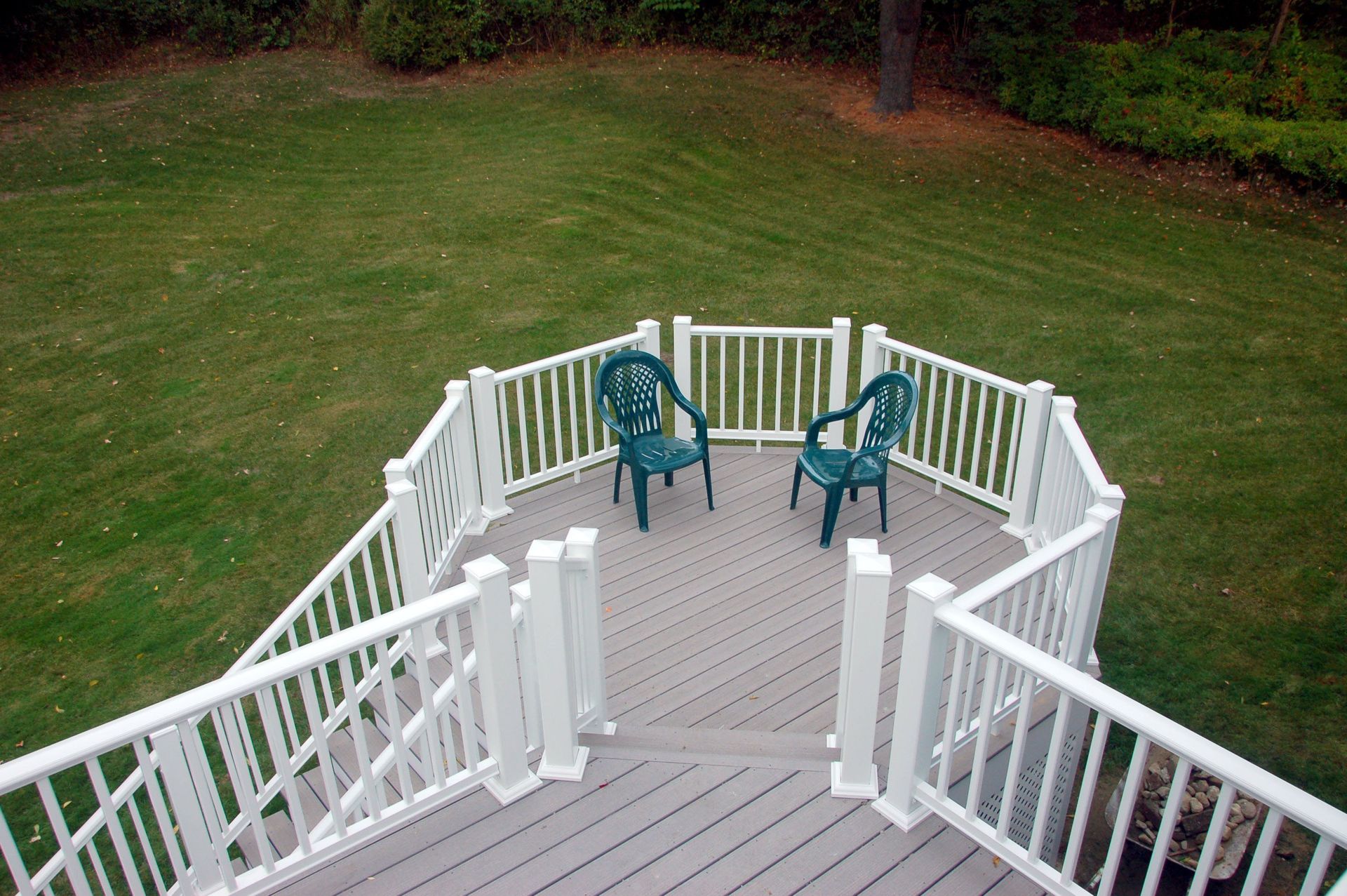
Safety is also a paramount consideration in luxury design, where meticulous, proper engineering successfully eliminates potential structural hazards before they ever arise. By thoughtfully integrating low-voltage LED step lighting that subtly illuminates paths after dark, constructing robust, sturdy railing systems designed to prevent accidental falls, and utilizing advanced non-slip surface textures, your outdoor space remains a secure sanctuary.
When you look at the complete picture, the decision to construct a deck is one of the most well-rounded investments a homeowner can make. It successfully targets three major pillars of homeownership: financial asset growth through high return on investment and enhanced curb appeal, structural optimization via cost-effective square footage expansion, and a substantial upgrade to personal health, wellness, and social fulfillment.